Working Time
| Mon-Sat | 09:00 AM - 09:00 PM |
| Sunday Morning | By Appointment |


Contact Info
-
Phone: +91-9899570734
+91-9818149152 - delhidentalsolutions@gmail.com
Tips for Healthy Teeth
- Use soft toothbrush according to your teeth type.
- Brush your teeth twice a day.
- Clean your tongue properly with tongue scraper.
- Visit Kamniyata Dental Solutions in every 6 months
Best Root Canal Treatment in North Delhi
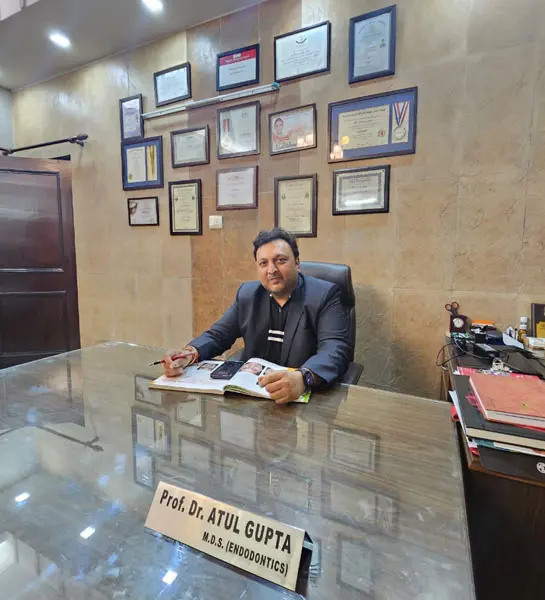
You want a smile that looks great and lasts. Many people chase perfect teeth through quick fixes like veneers or whitening. But those treatments can fail if the roots underneath aren't healthy. Dr. Atul Gupta bridges that gap. As a cosmetic and aesthetic dentist with skills in endodontics and conservative dentistry, he holds a BDS and MDS. His work shows how beauty and strength go hand in hand in dental care.
Decoding the Dual Mastery: Cosmetic Dentistry Meets Endodontics
The Art of Aesthetics: Cosmetic Dentistry Defined
Cosmetic dentistry focuses on improving how your teeth look. Patients often seek veneers to cover chips or gaps. They also want whitening to brighten dull smiles or full makeovers for a fresh start. A beautiful smile boosts your confidence. It helps you feel good in social settings and at work. Dr. Atul Gupta creates these changes with care for long-term results.
The Science of Preservation: Endodontics and Conservative Care
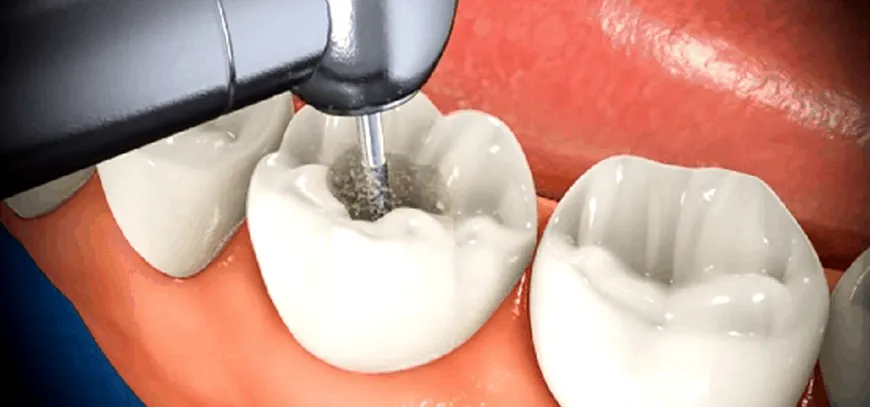
Endodontics deals with the inside of your teeth, like root canals in North Delhi to save infected ones. Conservative dentistry keeps as much of your natural tooth as possible. It uses small fillings instead of big ones that remove too much. This approach protects your oral health over time. Teeth stay strong when you avoid pulling them out too soon. Dr. Gupta uses these methods to build a solid base for any smile work.
The Synthesis: Why Dual Expertise Matters
When you know both cosmetics and endodontics, you avoid mistakes. A cosmetic fix on a weak root leads to cracks or loss later. General dentists might send you to specialists for root issues. But Dr. Atul Gupta handles it all in one place. His full view means fewer visits and better outcomes. You get aesthetics that hold up because the foundation is sound.
Conservative Dentistry: Foundation for Lasting Smiles
Minimally Invasive Techniques in Practice
Dr. Gupta starts with small steps to fix decay. He removes only the bad parts of a cavity, not the whole tooth. Sealants go on healthy surfaces to block new problems. These choices keep your teeth natural and strong. Ask your dentist about preparation size. It tells you how much tooth they plan to cut away. Smaller is often better for your future health.
- Use sealants on molars to prevent early decay.
- Opt for air abrasion over drills for tiny cavities.
- Check for laser tools that clean without much removal.
Protecting Pulp Vitality During Restorative Procedures
The pulp inside your tooth holds nerves and blood vessels. Endodontic training helps Dr. Gupta pick fillings that don't harm it. He chooses materials like composite resin that bond well and insulate heat. This cuts the risk of needing a root canal down the line. Crowns get placed with care to avoid deep cuts. Your teeth stay alive and responsive longer.
Case Study Spotlight: Conservative Rehabilitation Success
Picture a patient with a deep cavity in a back molar. Another dentist suggested pulling it out due to the decay's reach. Dr. Gupta chose a conservative path. He cleaned the decay layer by layer and sealed the rest. A small filling finished the job. Years later, the tooth works fine without pain or extra treatment. This saved the natural structure and avoided bigger issues.
Endodontics Elevated: Aesthetics Rooted in Health
Precision in Root Canal Therapy in North Delhi: Beyond Simple Cleaning
Root canals clean out infection from the tooth's core. Dr. Gupta uses microscopes to see tiny details others miss. 3D imaging maps the root shape for full access. This ensures every part gets disinfected. Clean roots mean stable teeth for cosmetic layers on top. Without this care, bacteria hide and cause failure.
He shapes canals with gentle files to keep the tooth's form. Irrigation fluids flush out debris completely. The final seal blocks re-entry of germs.
Managing Complex Cases: Trauma and Retreatments
Trauma from falls or sports can crack teeth deep inside. Dr. Gupta fixes these to save the crown's look. He retreats old root canals that didn't work right. This involves removing old fillings and cleaning again. His skills restore function without changing your smile's front. Patients keep their natural appearance after such fixes.
For sports players, he adds protective steps like mouthguards post-treatment.
The Link Between Endodontic Failure and Subsequent Cosmetic Work
A bad root canal lets infection spread under crowns or veneers. The restoration cracks or falls off as the tooth weakens. Dr. Atul Gupta always checks the root first. This prevents costly redo work later. Healthy insides support the pretty outsides you want. Skip this, and your investment in aesthetics wastes away.
Integrating Aesthetics: Seamless Cosmetic Outcomes
Restoring Heavily Treated Teeth with Biomimetic Crowns
Teeth after root canals get brittle without their pulp. Dr. Gupta uses crowns that copy natural tooth flex. Lithium disilicate fits like enamel and handles bites well. Zirconia adds strength for back teeth under pressure. He prepares the tooth minimally to keep more structure. The result looks real and feels solid.
These materials let light pass through like your own teeth. No dark lines show at the gums.
Shade Matching and Ceramic Veneers on Endodontically Treated Teeth
Non-vital teeth turn gray after treatment. Internal bleaching lightens them from inside out. Dr. Gupta matches shades with digital tools for exact color. Veneers then cover for a bright, even smile. This combo fixes discoloration without full replacements. Your teeth blend with the rest of your mouth naturally.
He tests samples under different lights to get it right.
Patient Experience: Comprehensive vs. Staged Treatment Plans
Separate specialists mean back-and-forth trips. Dr. Gupta plans endodontics and cosmetics together. You finish root work, then move to veneers in follow-ups. This shortens the overall time. Patients report less stress from one trusted source. Coordinated care leads to smiles that heal fast.
The Educational Foundation: BDS and MDS Credentials
The Rigor of Specialized Postgraduate Training (MDS)
A BDS gives basic dental skills after years of study. MDS dives deeper into endodontics and conservative care. Dr. Gupta spent three extra years on hands-on cases and research. This training covers pulp diseases in detail. It goes beyond short workshops many dentists take. His knowledge applies directly to real patient needs.
Applying Evidence-Based Dentistry in Daily Practice
Dr. Gupta reads new studies on tooth materials and techniques. He picks options backed by clinical trials. For conservative work, he follows guidelines on decay removal. In aesthetics, research guides shade choices and bond strength. This keeps his treatments current and effective. Patients benefit from proven methods every visit.
The Future of Integrated Dental Care
Dr. Atul Gupta shows how dental work can blend beauty with health. His BDS and MDS let him save teeth while making them look great. Conservative steps build the base, endodontics fixes the core, and cosmetics finish the look. All parts connect for smiles that last.
Seek dentists who check roots before veneers. Ask about minimal removal in fillings. Choose care that values your natural teeth first. With experts like Dr. Gupta, you get results that stand the test of time. Schedule a check-up to see how integrated care fits your needs.
A root canal treatment is a dental procedure performed to save a severely damaged or infected tooth. It involves removing the infected pulp from the tooth's root canals, cleaning and disinfecting the area, and then filling and sealing the canals to prevent further infection.
You may need a root canal treatment if you have a tooth with deep decay, a cracked tooth, or a tooth with a large filling that has become infected. The treatment aims to save your natural tooth and alleviate pain, rather than extracting it.
Contrary to popular belief, root canal treatments are not as painful as they are often portrayed. With the use of local anesthesia, the procedure itself is virtually painless. In fact, the treatment is performed to relieve the intense pain caused by the infection. After the procedure, some temporary discomfort or sensitivity may be experienced, which can be easily managed with over-the-counter pain medications.
Remember, a root canal treatment is an exciting opportunity to save your natural tooth and restore your oral health! Don't hesitate to reach out to a dental professional if you have any further questions or concerns.